
Lessons from Women’s Prize LIVE 2026
As someone writing their first novel

Kate Mosse, Founder Director of Women’s Prize, said “if you find something wonderful, pass it on”. So, this is me passing it on: what I took from Women’s Prize LIVE this month, as someone who is deep in the revision edit of a debut novel.
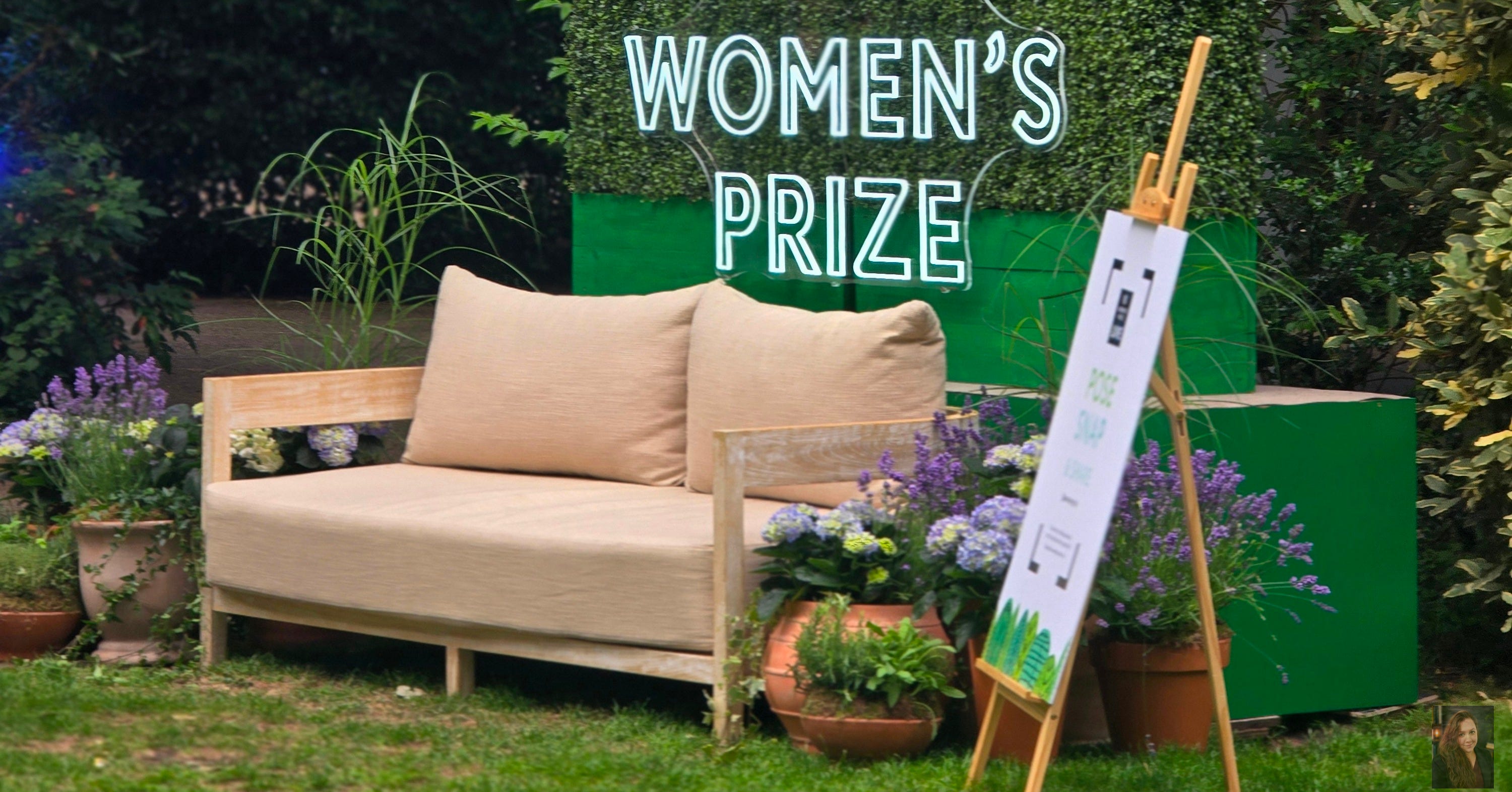
Nestled within a garden oasis, hidden in the heart of a bustling city, was Women’s Prize LIVE. I can think of no more fitting setting for the event. Bloomsbury is woven into the fabric of British literary history, associated with notable figures like Virginia Woolf, Charles Dickens and T. S. Eliot. It was also home to the first higher education college for women in the UK. How proud would the first students in 1849 be knowing that, more than a century later, women’s voices, in all their diversity, would be publicly celebrated in that very same square?
Bedford Square Gardens themselves are surrounded by beautiful Georgian townhouses, ornate in their design and stately in their grandeur. For a moment, they invite you to suspend disbelief and imagine you have stepped straight onto the pages of a Dickens novel.
I had already devoured the shortlisted fiction books ahead of the event and was bowled over by the beautiful stories they told, the distinctive ways in which they told them and the diversity of voices they represented. If these were the books Women’s Prize had chosen for its shortlist, I knew I was in for a day of inspiration.
I toyed with the idea of writing a lengthy account of my experience that day, breaking down each talk, each book, each memorable moment. But as I started planning, I noticed several common themes emerging. I realised that I had come away with far more than a tote bag full of books and a head full of happy memories. (Although it is no exaggeration to say that the goody bag made me squeal.)
What stayed with me most was the practical wisdom shared throughout the day. Beyond the excitement and atmosphere, there was tangible advice about writing, creativity and perseverance; advice that I suspect many fellow writers would find just as valuable as I did.
Lesson one
Show up and finish the book before worrying if it’s good enough
A common trap for new writers is believing the first draft should be polished and ready to be shared with others. As if books emerge complete the moment you write the final word. They don’t.
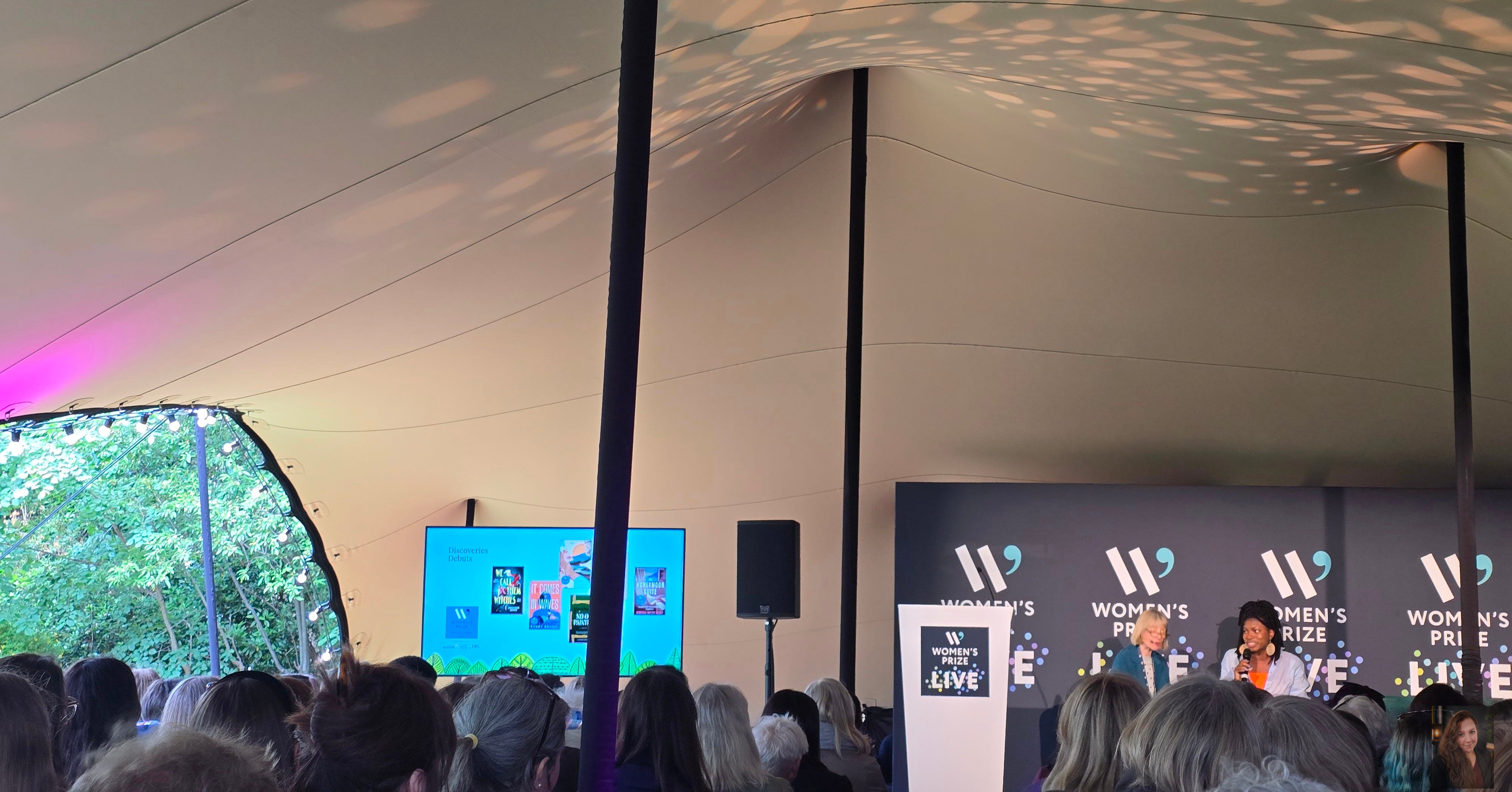
During the Discoveries Debut talk, Rukky Brume, author of It Comes In Waves, described it perfectly as a “first ugly draft”. The first draft is not the finished piece; it is part of a creative process.
In an Arvon workshop earlier this year led by Kit de Waal (longlisted for the fiction prize this year), we were advised to “get the words down” when writing our first draft. More than one writer throughout the event (including Women’s Prize Fiction winner Virginia Evans, author of The Correspondent) shared that the book they were talking about that day had not even been intended for publication when it was first written.
The message was consistent: don’t line edit as you go, don’t second guess the market, don’t stress over the specifics. Just write the book you want to write and write for the love of writing. The rest comes later.
A natural result of that approach is often a moment where something shifts—where a light flicks on and you think: this might actually go somewhere.
As Lorna Elcock, author of The Windhover, put it during the Discoveries Debut talk, when finishing felt impossible, “my only option was I just kept turning up.”
Lesson two
Don’t fear unconventional structure and narrative choices
During the Discoveries Debut talk, and having read all the shortlisted fiction books, I was struck by how distinct each one was. That must sound like an obvious observation – of course every author brings a unique perspective – but it went beyond that. These were deliberate structural and narrative choices that the writers committed to, and which served their stories perfectly.
For example, The Correspondent by Virginia Evans, is an epistolary novel, told entirely through a collection of letters, emails, and notes. I was initially hesitant about this, unsure how it would give a complete sense of the world from a reader’s perspective. What I found instead was a rich, intimate character study, with information revealed at a carefully controlled, meaningful pace. It was the perfect format for a protagonist whose life has been shaped by the letters she has written and received.
A standout moment from the Discoveries Debut was the reading from Over, by Ruth Rosengarten, who chose to write in sestudes: 62-word fragments in non-chronological order. As a reader, it means you get to piece together the information as you read it to assemble meaning as you go. I’m looking forward to reading this in full, as I’m hoping it will make me feel a little bit like a literary detective.
I’m in a capsule of me. Me. Ziplocked.
They don’t mention that I am the panic.
The weight of past hopes splinters my ribs.
The loss of love brings along the crisis of knowledge.
Did I ever really know him?
Excerpt from Over, by Ruth Rosengarten
Both Rosengarten and Rozie Kelly, author of Kingfisher, chose not to name their protagonists. Kelly felt it was “too concrete”. This decision shifts attention toward internal experience and action, making the protagonist feel more universal and allowing us as readers to occupy their perspective more easily.
I really felt this when I read Kingfisher. You can feel the character’s yearning, trauma, and struggle with identity. It made me wonder whether naming him (something ordinary, like Bob) would have distanced me from those feelings.
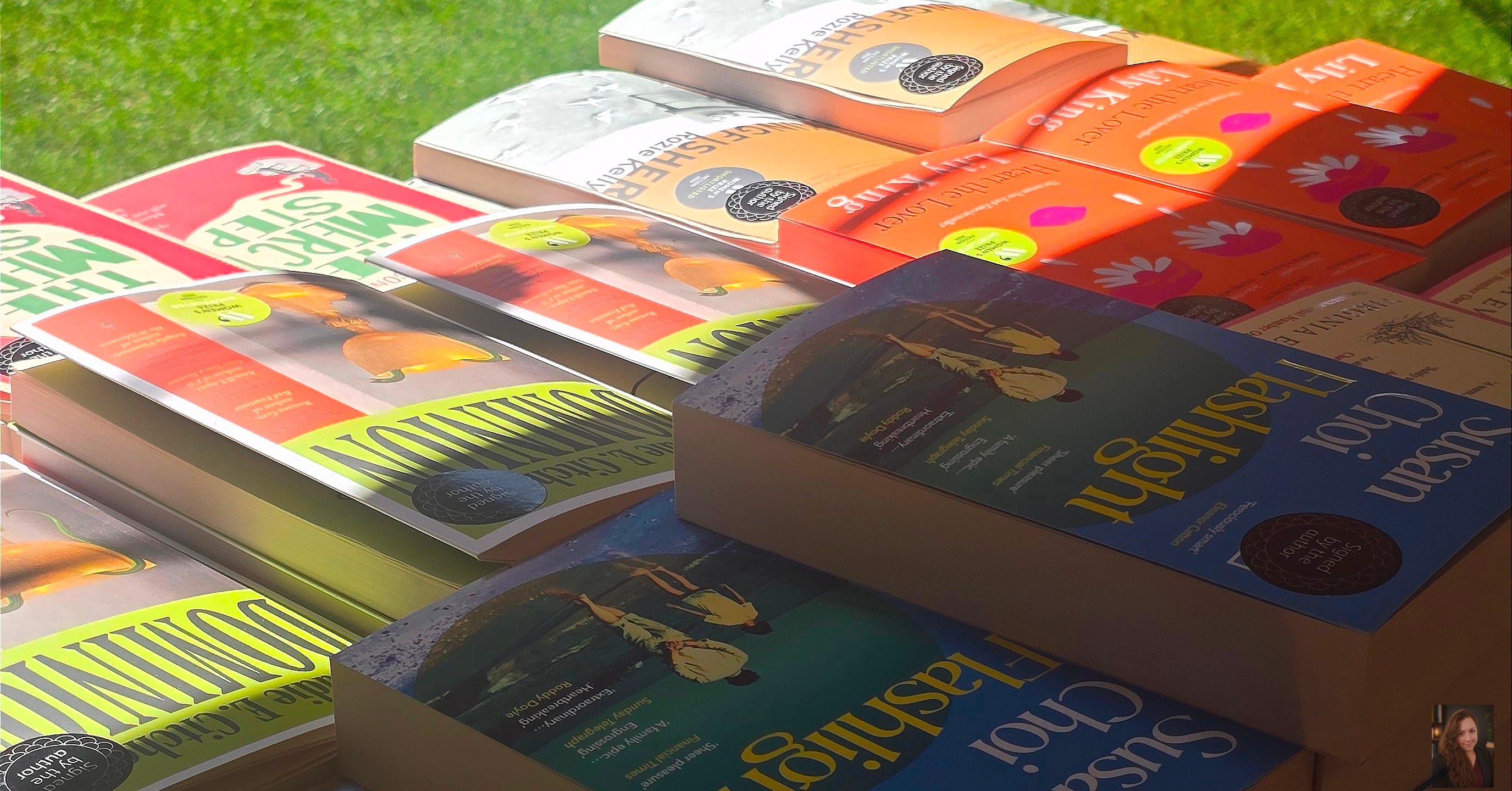
Evidently none of these formats were a barrier to publication. These novels were taken on by agents and publishers and now sit on stages like Women’s Prize LIVE, shared with readers in that same spirit of experimentation. Form should serve the story. If it does, trust it.
Lesson three
Difficult characters are often the most compelling
I attended the “Difficult Women: Why Society Still Demonises Women” panel, which explored themes of female agency and complexity in literature.
They discussed how in fiction, women have often been portrayed in ways that turn their complexity into something threatening or “difficult,” particularly when they step outside expected roles. Traits like ambition, anger, sexual desire, or emotional intensity are more likely to be judged negatively in female characters than in male ones, where the same qualities are often accepted as depth or drive.
Historically, this has meant that these “difficult women” have been punished, contained or corrected in books – a demand for justification for their behaviour. As I heard across several talks during the event, and particularly from Kathryn Stockett when talking about her new novel The Calamity Club, fiction nowadays is increasingly allowing female characters to be contradictory and flawed without forcing them into redemption or punishment arcs.
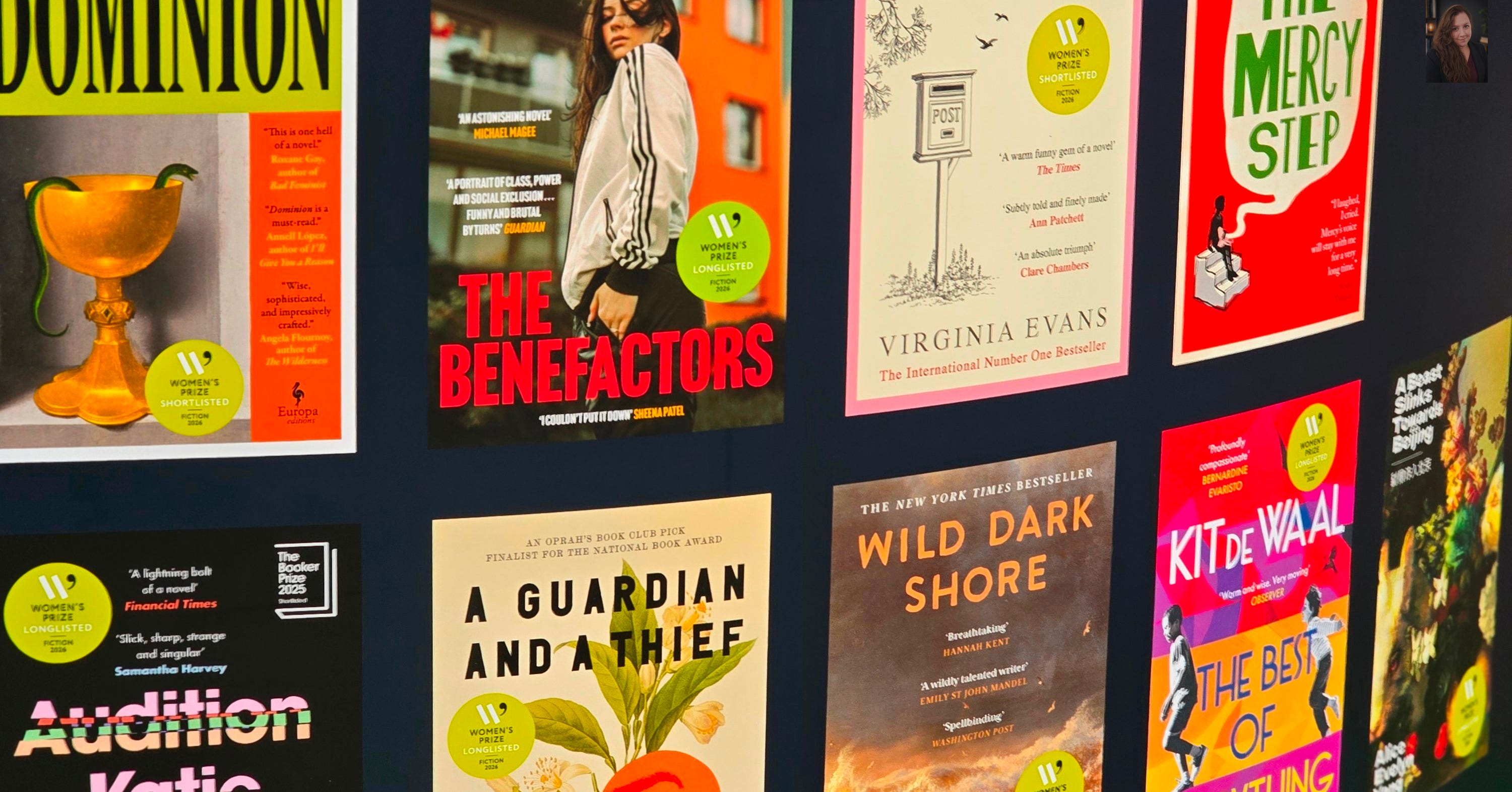
Often, it is the characters who are typically seen as “difficult” and unlikeable, who are actually the most compelling. Caro Claire Burke’s Yesteryear was mentioned several times during the day, as its protagonist divides opinion and the book has been criticised online by some because they did not like the main character. I read Yesteryear myself and found I disliked the protagonist - but was completely absorbed by her. There was something compelling about staying inside a perspective so different from my own. I wanted the novel to continue simply so I could remain in her mind a little longer.
The takeaway for me here is to make sure I write female characters in full complexity without softening or justifying them for likability. We should be able to trust readers to engage with that complexity.
Lesson four
Readers value emotional truth over literary cleverness
I had booked in a one-to-one with Kate Mildenhall on ‘Writing and Building a Creative Career’. In just 15 minutes, she offered a remarkable amount of insight while still making it feel like a genuine, welcoming conversation rather than a lecture.
One thing she asked me was ‘Why you, why this story?’. It wasn’t something I had actively thought about before, but I had an immediate answer. I knew why I had started writing this particular story. Whilst it’s not autofiction, it emerged from a significant life shift that made me question a number of things. That uncertainty formed a series of “what ifs,” which eventually grew into over 100,000 words of speculative fiction.
“Even in the darkest of moments, there are opportunities for joy”
Kathryn Stockett, Bookshelfie Live
That emphasis on emotional grounding was echoed later in the day during the shortlist readings, particularly The Mercy Step by Marcia Hutchinson and Mother Mary Comes to Me by Arundhati Roy. One is autofiction, the other memoir, but in both cases the emotion in the reading was immediate and direct. As a listener, you felt drawn into something intimate, because the author was speaking from a place of lived experience rather than construction.
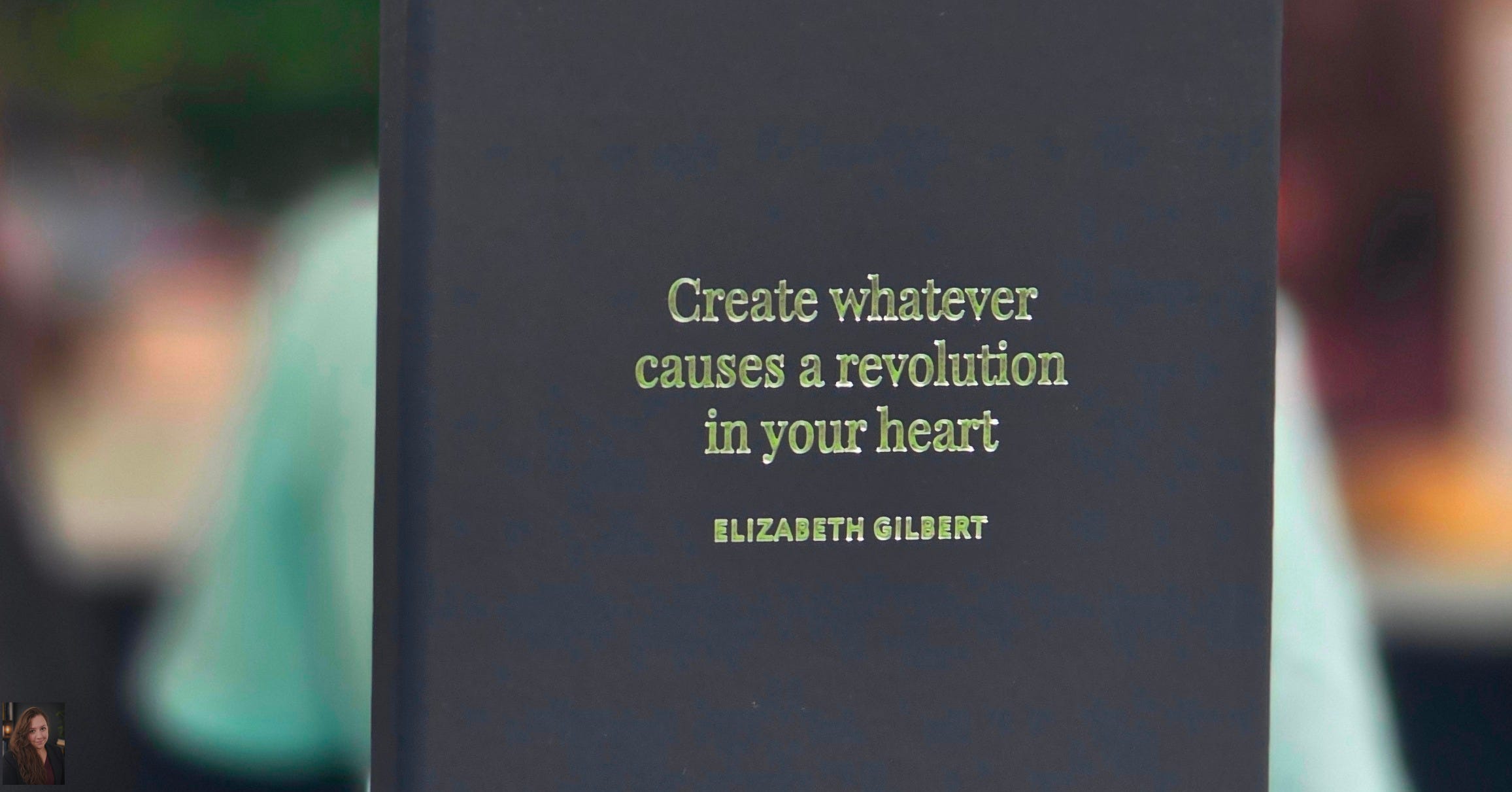
This lesson’s takeaway is that readers respond first to emotional truth, not technical sophistication. That is worth remembering not just in the writing itself, but in how you position your work when you talk about it.
Lesson five
Think beyond the novel: learn to communicate your concept and build a writing career
A recurring thread throughout my conversation with Kate Mildenhall was that writing a novel is only part of the work. Just as important is learning how to articulate what you are doing and why it matters. That begins with the basics: being able to pitch your idea clearly, write a strong query letter, and understand how to position your work through comparisons that genuinely reflect its tone and readership.
It also extends beyond the manuscript itself. In an increasingly crowded literary landscape, an author’s presence outside the book matters, whether that is through a thoughtful online presence, or an awareness of how your work sits across genres and forms. As an author you don’t have to be confined to a single category, and there is value in thinking flexibly about where your writing might belong.
Underlying all of this is discipline. Protect your time, stay consistent, and continue to generate new ideas - this is what will sustain a writing life beyond a single project. The book you are writing now shouldn’t be the end point of your thinking, but part of a longer trajectory of work.
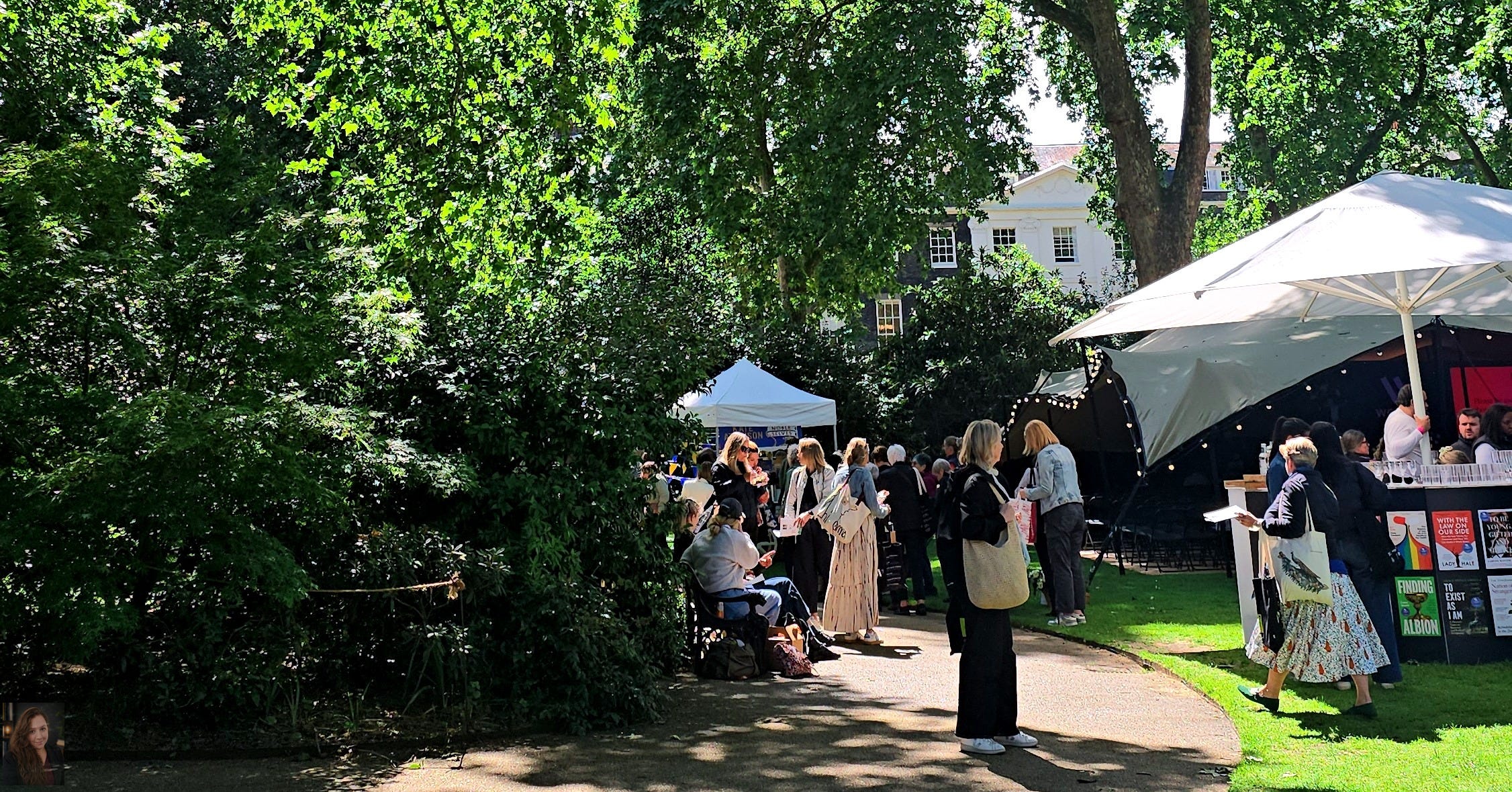
I hope you are able to get something from those five key lessons that is helpful to you. I certainly did. If you are ever considering attending a Women’s Prize LIVE, I would urge you to go.
I’m new to substack so I would really appreciate any comments, shares or subscriptions. Thank you!
Thanks for writing this. I really enjoyed it x