
The Metaphor of the Rave
The space between feeling something and understanding it.

I watched Aftersun recently, and I have found myself thinking about one particular image ever since. The rave.
If you haven’t watched the film, those scenes are a sensory overload. There is darkness, flashing lights, the feeling of trying to find someone in a crowd. A face appears for a second and then disappears again. You think you have seen them, that you are close. And then the lights change.
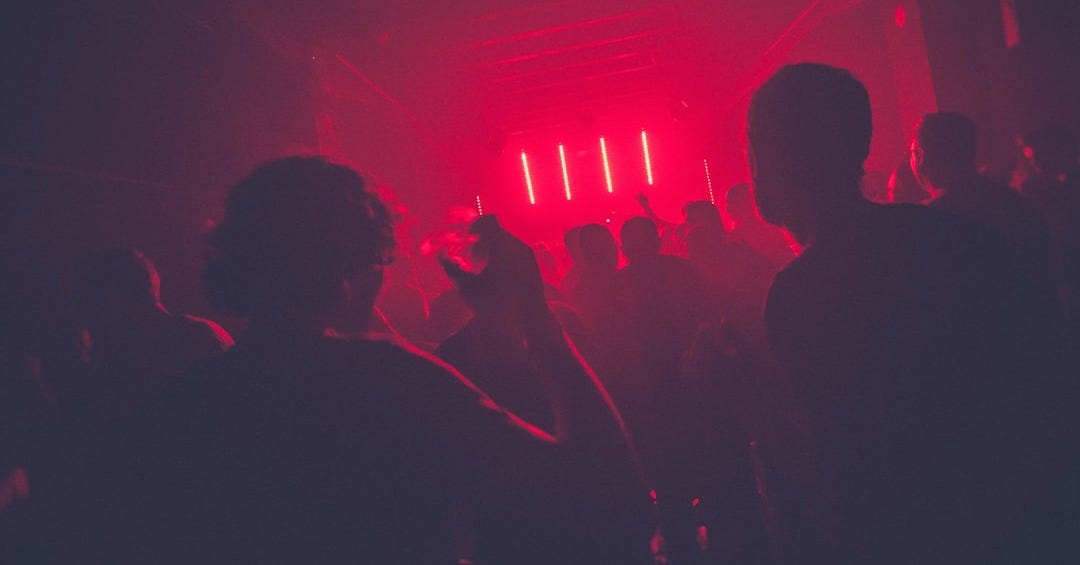
When it first came on the screen, it felt jarring compared to the rest of the film. I turned to my friend and said, ‘this is like a visual representation of an anxiety attack.’ I was actually trying to just make a joke – I am no raver, and haven’t been anywhere near a nightclub for a good 14 years. But watching it did make me feel some level of frustration and anxiety.
Was it grief? Was it memory? Was it the feeling of trying to hold onto something that has already started slipping away? Maybe it was a mixture of all of those things.
Afterwards, I reflected on how the rave was a metaphor for the way memory works.
We often talk about memories as though they are things we store away. Like files in a cabinet that we can choose to open when we want to revisit the past, flick through and pick the nice ones that bring us joy, and stuff the bad ones at the back to gather dust, crumpled and discarded but ever present.
But that has never really been my experience of memory. Memory is much messier than that.
It appears at inconvenient moments. It arrives through small things like a song, a smell, a place, a phrase someone says, a date. Smell is a big one for me, but sometimes I don’t even realise what I am remembering, I just know I have smelled that thing before, and it is making me feel a certain way. Sometimes I don’t even know what the actual scent is. The other day I said ‘It smells like my nana’s garden.’ It’s been years since I’ve been in my nana’s garden, and yet I knew whatever the scent was, was her particular garden, not just any outdoor space.
Why do certain moments stay with us? Why do some things we thought we had moved past suddenly return? And perhaps the bigger question: what does it even mean to move on?
These are questions I have been thinking about because of the themes in the novel I am writing.
My main character carries memories that she has been taught to leave behind. She has grown up with the idea that you have to be able to put something down and walk away, never to return.
In the world of my novel, grief is seen as something destructive. Something that spreads. The belief is that if you do not remove it, it will take over.
Which is understandable, right? Grief is often painful, and it can change people. It can affect the way someone sees themselves and the world around them, or at least that is my experience of it.
But I do feel that we misunderstand grief when we only see it as something to overcome. Grief is often evidence that something mattered.
I don’t mean that grief is always beautiful, or that people should want to remain in pain. Of course not. But I wonder whether we have become too quick to see difficult emotions as problems that need fixing rather than experiences that need understanding.
Emotions co-exist. Something my family are very good at is laughing through the hard times. It doesn’t make those moments less painful or less meaningful, but it also doesn’t make the laughter any less genuine

So I’ve been thinking a lot about how I write about anxiety and stress in my characters.
When I first started writing my main character, I was thinking about what she would feel and how she would react. I was trying to understand the emotions she was experiencing.
But I have also had to dig a lot deeper. What memories return when she least expects them? What does she notice, specifically because of what she has experienced? What is she trying to suppress?
Anxiety is not always dramatic; it isn’t always a moment of pure, blinding panic. Sometimes it is a quieter experience of carrying unresolved things. It is the mind returning again and again to something, trying to understand it, trying to make sense of something that perhaps cannot ever be fully explained or understood.
This is one of the things I admire about Aftersun, on reflection. It did not give the audience a neat explanation. It trusts us to sit with uncertainty.
As a writer, I find that really quite difficult! There is always a temptation to explain. To make sure the reader understands why a character feels a certain way. To connect every emotion to a clear cause, despite me not knowing why I feel how I feel most of the time. People are not always that straightforward. How often have you reacted a certain way to something before knowing why you have had that reaction? Guilty!
Feelings often appear before meaning, and I’m sure as linguist I’m meant to have some clever explanation for why that is… Something about pre-linguistic thought? A Piaget reference to how children develop an understanding of the world before they have the language to describe it? Or maybe a slightly confused attempt at an anti-Sapir-Whorf hypothesis? Probably not quite, but it does make me think about the relationship between language and understanding.
Perhaps that gap between feeling something and being able to name it is exactly where a lot of storytelling lives.
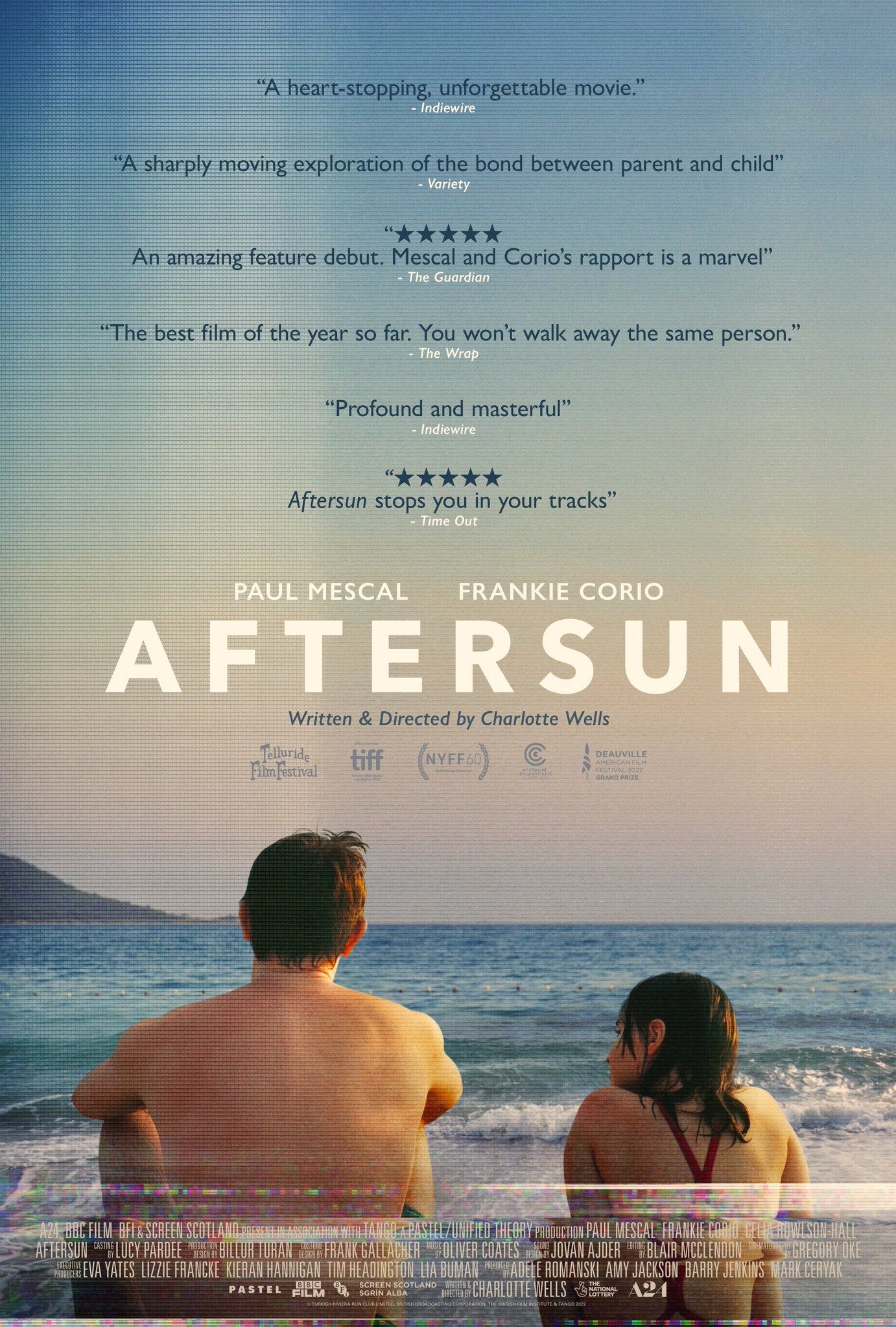
The rave was a useful metaphor because it captures that feeling. I didn’t understand what was happening in those scenes, but I felt it. It represented that the past is there, but not always clearly. You reach for it, but you cannot quite hold onto it.
I don’t think my novel is going to argue that grief is something we should embrace or hold onto forever. But it does question the idea that grief is something we can simply erase and replace with happiness. Perhaps it is a response to the expectations of toxic positivity.
Perhaps we are all navigating our own rave. We stumble through moments we do not fully understand, carrying memories that appear and disappear, trying to make sense of feelings that arrive before we have the words for them.
I would love to know if there is a film, book, song or piece of art that has changed the way you think about something you are writing.